
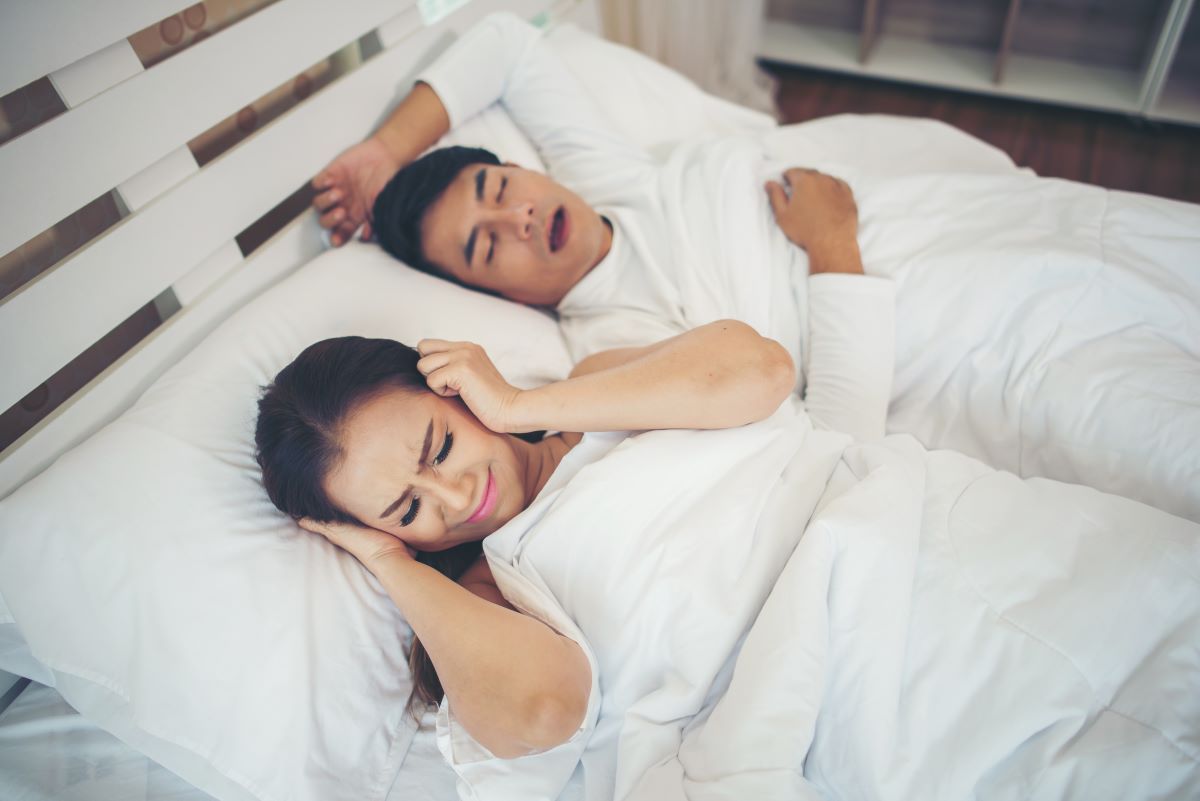
North Star Dentistry offers comprehensive sleep apnea and snoring treatment in Mississauga using advanced diagnostics (3D imaging, home sleep testing, pulse oximetry) and custom oral appliances. Dr. Mays Al-Saffar diagnoses mild to moderate obstructive sleep apnea with Ministry of Health-approved Home Sleep Tests and tailors treatments for CPAP-intolerant patients, including mandibular advancement devices, myofunctional therapy, and specialist referrals for surgical options.
Core Advantages of Our Sleep Apnea Treatment
- Proper diagnosis required: All snoring patients need a Ministry of Health-approved Home Sleep Test or laboratory polysomnography before treatment begins
- CPAP alternatives available: Custom mandibular advancement devices (MADs) shift your jaw forward to open the airway without masks
- Advanced clinic technology: 3D digital impressions, pulse oximetry tracking, and cephalometric imaging guide precise treatment planning
- Multidisciplinary approach: Dr. Al-Saffar coordinates with ENT specialists and myofunctional therapists for optimal outcomes
- Pediatric specialists: Children’s loud snoring and sleep apnea are treated as dental emergencies with age-specific protocols
- Accessible treatment: Payment plans make custom appliances and therapy affordable for Mississauga and Etobicoke families
What is Obstructive Sleep Apnea and When Should I Be Concerned?
Understanding OSA vs. Simple Snoring
Snoring alone does not confirm sleep apnea. True obstructive sleep apnea (OSA) occurs when throat muscles relax completely during sleep, blocking your airway and causing breathing pauses (apnoeas) lasting 10 seconds or longer. Simple snoring is vibration of throat tissue without airway collapse.
At North Star Dentistry, we distinguish between these two conditions through clinical screening during your initial consultation and comprehensive physical airway examination. Dr. Mays Al-Saffar checks for tissue obstruction, jaw positioning, and tongue size to guide diagnosis.
When You Need a Sleep Study
Every patient presenting with snoring concerns undergoes a Ministry of Health-approved Home Sleep Test (HST) or polysomnography. This critical step determines whether you have:
- Mild OSA: 5–14 apnoeas per hour
- Moderate OSA: 15–29 apnoeas per hour
- Severe OSA: 30+ apnoeas per hour
Without a formal diagnosis, we cannot recommend treatment. A home sleep test is non-invasive, done in your own bed, and provides the data needed to customise your care plan.
Why Early Detection Matters
Untreated sleep apnea disrupts oxygen flow to your brain and heart, increasing risks of high blood pressure, stroke, heart attack, and morning grogginess. Patients often report daytime fatigue, loud snoring that disturbs partners, and gasping awake at night.
What Are the Differences Between CPAP and Dental Appliance Treatment?
CPAP Therapy vs. Oral Appliances
CPAP (Continuous Positive Airway Pressure) uses a mask worn at night to deliver pressurised air, keeping your airway open. Many patients find masks uncomfortable, claustrophobic, or difficult to wear consistently, leading to treatment abandonment.
Custom oral appliances (mandibular advancement devices, or MADs) are discreet, custom-fitted devices worn like a sports mouthguard. They gradually shift your lower jaw forward, opening your airway naturally without machines or masks.
| Feature | CPAP | Oral Appliance |
|---|---|---|
| Comfort | Mask-based, can feel intrusive | Discreet, like a sports guard |
| Ease of use | Requires nightly setup | Simple: insert and wear |
| Travel-friendly | Bulky machine | Compact, fits in pocket |
| Partner disruption | Mask noise and hose movement | Silent, no disruption |
| Long-term compliance | 30–50% abandonment rate | Higher patient satisfaction |
| Best for | Severe OSA, full compliance needed | Mild to moderate OSA, CPAP-intolerant |
Why Dentists Treat Sleep Apnea
Dentists are ideally positioned to diagnose and treat mild to moderate OSA because we assess airway anatomy daily. We evaluate jaw position, tongue size, and palate structure, which are primary factors in airway collapse. Dr. Al-Saffar uses 3D digital imaging (iTero/3Shape) to create precision-fit oral appliances that are far more effective than generic boil-and-bite options.
How Does North Star Dentistry Diagnose Sleep Apnea?
Our Comprehensive Diagnostic Process
Step 1: Clinical Screening
Your consultation includes a thorough history of snoring, daytime fatigue, witnessed breathing pauses, and medical background. Dr. Al-Saffar asks targeted questions to assess your risk.
Step 2: Physical Airway Examination
Dr. Mays Al-Saffar performs a comprehensive physical exam to check for tissue obstruction, including evaluation of your:
- Tongue size and position
- Soft palate and uvula
- Lateral pharyngeal walls
- Jaw structure and bite alignment
Step 3: Home Sleep Testing
We arrange a Ministry of Health-approved Home Sleep Test. You wear a small pulse oximetry device at home overnight (sometimes for 2–3 nights) to measure oxygen saturation and breathing patterns. This is far more comfortable than a laboratory study and provides real-world data.
Step 4: Imaging
Lateral cephalometric imaging measures your airway dimensions and helps us understand exactly how and where your airway is narrowing. Combined with 3D digital impressions (iTero/3Shape), this guides custom appliance design.
Advanced Technology at Our Clinic
- Pulse Oximetry Tracking: We provide home monitoring devices so you can track your oxygen levels during treatment. This proves whether your custom appliance is working.
- 3D Digital Impressions: iTero/3Shape technology replaces uncomfortable putty impressions. Scans are instant, accurate, and digital files are sent directly to the appliance lab.
- Cephalometric Imaging: Measures airway width and identifies the exact site of obstruction, improving appliance selection and success rates.
What Treatment Options Are Available for CPAP-Intolerant Patients?
Custom Mandibular Advancement Devices (MADs)
A mandibular advancement device is a custom-moulded oral appliance that gently moves your lower jaw forward during sleep. As your jaw advances, the floor of your mouth pulls the tongue forward, opening your airway naturally.
How it works:
- Fitted during sleep
- Gradually advances your jaw over weeks (titration)
- Opens airway, reducing or eliminating apnoeas
- Can be removed instantly if needed
Benefits for Mississauga and Etobicoke patients:
- No machine, no electricity
- Silent (partners appreciate this)
- Travel easily in a small case
- Lower maintenance than CPAP
- Better compliance rates over time
Myofunctional Therapy
Myofunctional therapy involves guided oral and facial exercises that strengthen airway muscles, improve tongue positioning, and enhance breathing patterns. This is particularly effective for mild sleep apnea and snoring.
Exercises focus on:
- Tongue strength and positioning
- Palatal (roof of mouth) muscle tone
- Proper breathing patterns through the nose
- Swallowing coordination
Our clinic works with certified myofunctional therapists to design home exercise programs that patients complete 5–10 minutes daily. Over 8–12 weeks, many patients see significant improvement.
Myofunctional Elastomeric Appliances
These specialised devices reposition the tongue and open up the pharyngeal airway using gentle, continuous pressure. Unlike rigid MADs, elastomeric appliances use flexible materials to guide soft-tissue changes while you sleep.
Surgical Options and Specialist Referrals
For patients who don’t respond adequately to dental appliances, Dr. Al-Saffar refers to ENT specialists for:
- Inspire Nerve Stimulation: An implanted device that stimulates nerves controlling airway muscles, gently opening your airway as you sleep
- UPPP (Uvulopalatopharyngoplasty): Surgical removal of excess throat tissue to widen the airway
- Maxillomandibular Advancement (MMA): Surgical repositioning of upper and lower jaw to permanently expand airway space
North Star Dentistry’s referral network includes experienced ENT surgeons throughout Mississauga and the Greater Toronto Area.

How Is Sleep Apnea Treated in Children?
Recognising Paediatric Sleep Apnea as a Dental Emergency
Loud snoring and cessation of breath during sleep are considered dental emergencies in children ages 3–12. Paediatric sleep apnea disrupts growth, cognitive development, school performance, and behaviour. Parents often notice loud snoring, gasping awake, restless sleep, or daytime hyperactivity.
Three-Part Paediatric Protocol
Phase 1: Orthodontic Expansion
Many children have narrow nasal airways and high palates (roof of mouth). Palatal expanders gradually widen the nasal floor and upper airway, increasing space for breathing. Expansion also guides developing teeth into correct positions.
Phase 2: ENT Coordination
We coordinate with ENT specialists who assess whether adenotonsillectomy (removal of enlarged tonsils and adenoids) would help. This is often the first surgical option for paediatric sleep apnea.
Phase 3: Myofunctional Therapy
After initial treatment, children complete myofunctional therapy to retrain breathing patterns, tongue positioning, and swallowing. This reinforces improvements and promotes lasting airway health.
Making Testing Comfortable for Kids
Home sleep studies are ideal for children. Instead of overnight laboratory stays, your child wears a small pulse oximetry device at home in familiar surroundings, reducing anxiety and providing more natural sleep data.
Dr. Mays Al-Saffar and his team explain the process in age-appropriate language and answer questions before testing begins.
How Much Does Custom Oral Appliance Treatment Cost?
Transparent Pricing and Payment Plans
Custom mandibular advancement devices through North Star Dentistry are more affordable than you might expect, especially with flexible payment plans that make treatment accessible for Mississauga and Etobicoke families.
Costs include:
- Home Sleep Test (Ministry of Health-covered)
- Initial comprehensive consultation
- Clinical screening and airway examination
- 3D digital impressions (iTero/3Shape)
- Custom-fabricated oral appliance
- Titration and adjustment appointments (typically 4–6 over 8–12 weeks)
- Pulse oximetry tracking during treatment
Many extended health plans cover portions of oral appliance costs. Ask our team about your specific coverage and available payment options at your first appointment.
Frequently Asked Questions About Sleep Apnea and Snoring Treatment
Book Your Sleep Apnea Consultation at North Star Dentistry
Take the First Step Toward Better Sleep and Health
Snoring and sleep apnea don’t have to control your nights. At North Star Dentistry in Mississauga and Etobicoke, Dr. Mays Al-Saffar provides expert diagnosis and personalised treatment options specifically designed for patients who struggle with CPAP masks or want a more discreet solution. Using advanced 3D imaging, home sleep testing, and pulse oximetry tracking, we create custom oral appliances that work seamlessly with your lifestyle.
Your first appointment includes a comprehensive airway examination, clinical screening, and discussion of your snoring and fatigue symptoms. If a home sleep test is needed, we arrange it quickly through Ministry of Health-approved providers. Many patients also benefit from a Dental Consultation to assess overall oral health alongside sleep apnea concerns.
What to expect:
- Thorough assessment of your airway and jaw structure
- Honest discussion of treatment options (CPAP, oral appliances, surgery referrals, myofunctional therapy)
- Transparent pricing and payment plan options
Ready to sleep better? Contact North Star Dentistry today to book your consultation. We serve Mississauga, Etobicoke, and the Greater Toronto Area with extended hours to fit your schedule.