
By: Dr. Mays Al-Saffar
If you’re considering teeth whitening, let’s have an honest, friendly chat about what it really involves. You may have a job interview, an upcoming life event, a new relationship or simply want to feel great about your smile. Whatever your reason, you deserve to feel confident, and I’m here to help you understand your options.
This guide is here for you: we’ll go over what teeth whitening is, which options are available, and what to expect every step of the way. My goal is to give you clear answers, so you can decide what’s best for your unique smile. For pricing, please contact our front desk for any promotions. My guide is simple and clear, and will show you how much I love bullet points :)
Teeth Whitening Options
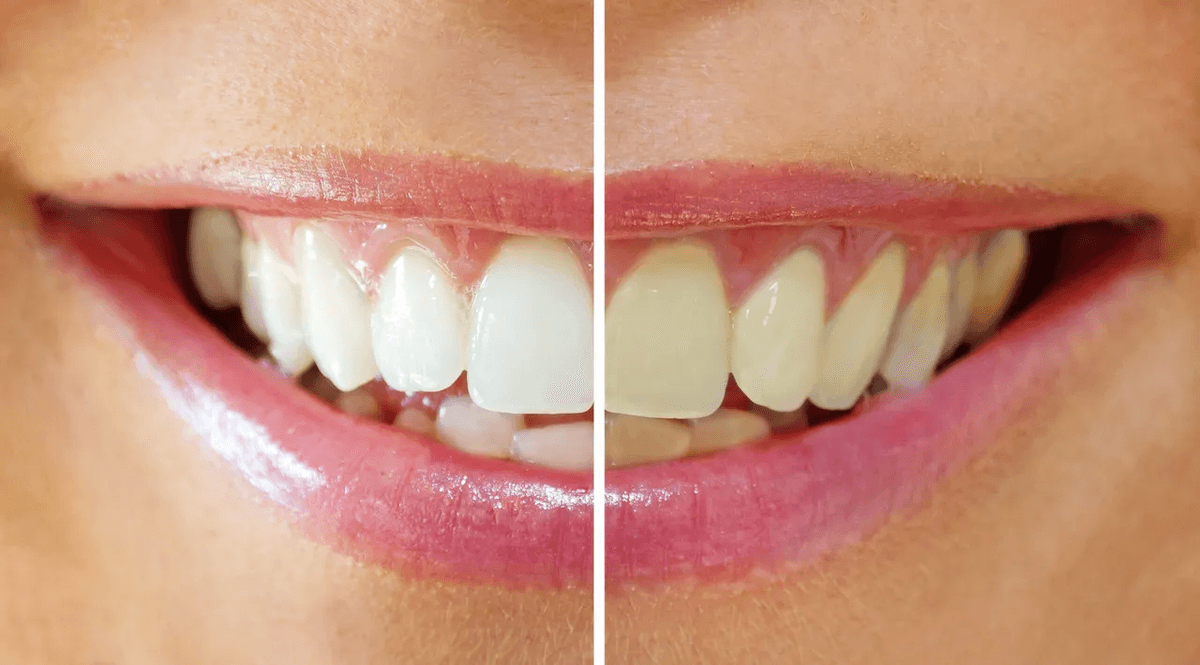
1. Professional In-Office Whitening: This is the most effective and quickest path; everything is done right here at North Star Dentistry by one of our whitening specialists under the supervision of myself or other dentists. My preferred whitening agent is Zoom! by Philips, which contains powerful whitening agents, usually Hydrogen Peroxide and a desensitizing agent. We use the Philips light (a blue LED) to activate the gel for 1 hour (four 15-minute applications). After the Zoom session, you leave the chair with a remarkably whiter smile.
Pros: Immediate results, dramatic shade change, done under medical supervision, gum protection performed, the gold standard in dentistry. Cons: Relatively expensive (especially the Zoom product), not covered by private or government insurance. Keep in mind: You might have a bit of sensitivity for the day or two after due to the reactivity of the peroxide gel that penetrated the tooth (this is also why your teeth will look even whiter a day or two after the session).
2. At-Home Whitening Kits: There are two types of the medical-grade kits. The first is ready-made trays purchased from our office (my current favorite is Opalescence Go from Clinical Research Dental) which you wear for 30 minutes each day. The second is over-the-counter trays or strips (my favorite is the Crest whitening strips) which you can find in your local pharmacy. Both options have low concentration of whitening gel for safety reasons, so results appear gradually. The first type has a higher concentration than the OTC strips and penetrates deeper into the tooth, but you cannot purchase it directly from the supplier for consumer safety.
Pros: Flexible, budget-friendly, and you can whiten at your own pace. Cons: Slow results, work only on surface stains and food stains. Keep in mind: You need to follow the instructions closely, overuse can cause gum irritation or prolonged tooth sensitivity.
3. Natural or Holistic Remedies: Some people prefer baking soda, hydrogen peroxide rinses, whitening toothpastes or oil pulling. These options are easy on your wallet and accessible, and some have reported successful results.
Pros: Inexpensive and use common household ingredients. Cons: Modest results, doesn’t work on everyone, doesn’t work on all stains, and relapses quickly. Keep in mind: Going overboard with these remedies (like brushing too hard with baking soda) can abrade your enamel. Always ask me for personalized advice first so we can come up with a natural or holistic plan for you.
Benefits of Teeth Whitening
Confidence: A whiter smile truly can make you feel brighter, many of my patients tell me how whitening their teeth made them more confident and outgoing. Non-invasive: No drilling, needles, or reshaping (like veneers or crowns). Quick improvement: Produces a shade change in a short time.
Risks of Teeth Whitening
Sensitivity: Temporary tingling or zings are common, but I have lots of tips to keep you comfortable for each method you choose. Gum irritation: It can happen if the whitening gel touches the gums for too long, that’s why professional supervision or well-made trays matter. During in-office whitening sessions we apply a gel barrier on all the gum that surrounds teeth and harden it with light to isolate the gum from the bleach. Not for every stain: Some spots or discoloration from medication or trauma may not respond to whitening. Existing fillings and crowns will not whiten with hydrogen peroxide and may require replacement after the session.
Important Considerations
Individual Differences: Some people’s teeth whiten more than others due to differences in enamel thickness, composition and translucency. Your results are specific to you. Eating After Whitening: For a few days after your in-office whitening, reduce foods/drinks that stain your teeth (coffee, tea, smoking, pasta sauce, curries, red wine, etc.) as your enamel rods are still open (like the pores on your skin after a hot bath) and may stain again. Post-op sensitivity: Low-grade sensitivity for 1–2 days is common because the whitening agent absorbed into the enamel continues to react for 14–24 hours after application (which also results in a whiter shade the next day).
Maintenance: If you are a heavy smoker, heavy coffee/tea drinker, or use cannabis, I recommend annual maintenance using take-home kits even if you’ve done an in-office treatment, as your habits may stain your teeth again. People with sensitive teeth: There are some in-office whitening agents that produce less sensitivity, but their results are not as dramatic as Zoom! In cases of extreme sensitivity, we may choose other treatments such as composite bonding with a bleached shade.
Whitening Consultation: I highly recommend seeing me or another general dentist before booking your whitening session, so we can review your teeth one by one and check for any existing front fillings or crowns that may look dark after whitening. We don’t like surprises, we like to plan things. Existing Cavities and Chips: If you have existing cavities, chips, fractures or abfractions in your smile zone, we recommend fixing those before any whitening, as those areas may become extremely sensitive or sustain irreversible damage to the tooth or nerve if they’re deep.
Duration of the in-office whitening session: For the one-hour in-office whitening session, please prepare to spend around an hour and a half or slightly more. We need time to protect your gums with isolation barriers and apply a mouth prop to keep your mouth safely and comfortably open for the duration of your session. After the session, more time is required for final clean-up, application of desensitizing gels and post-op instructions.
Safety and comfort: Your eyes will be protected with safety goggles. Your gums will be covered with resin gingival barriers. We use a mouth prop to open your mouth comfortably without straining your joints. Multiple cotton rolls, cotton pellets and medical gauze will be inserted in the back areas for added protection. The whitening gel will be suctioned from your mouth using surgical suctions. You’ll be watching your favorite show on TV so you’re not bored. Vitamin E gels and/or Hyaluronic acid gels will be applied at the end of the session. If you have special requests (neck pillow, back pillow or blanket), notify us in advance or bring your own if you prefer.
Financials: All whitening options are not covered by any private or government insurance plans, but if you have a health spending plan, you may utilize it for whitening.
Choosing to brighten your smile is a personal decision, and there’s no one-size-fits-all answer. To me, you’re not just a patient, you’re a person whose reasons, goals, and comfort matter.
If you have questions about what might work for you or want to explore the options together, I’m always happy to provide my opinion. Your healthiest, happiest smile is just a conversation away!